Enterprise Integration Platforms: Do They Actually Connect Goals to Results?
Connector counts matter less than proving workflows actually improve business outcomes.
An enterprise integration platform is worth buying only if it links agreed business goals to real actions. It must then show whether those actions worked. The number of connectors a platform offers is the wrong thing to count.
Why counting connectors tells you almost nothing
A connector just means a platform can reach a system. It does not mean an AI agent should act there. Once AI agents are running data pipelines, the hard questions are about authority, coordination, and reliability. A connection says nothing about who approves a change. It says nothing about who handles a problem. It also says nothing about whether a decision can be explained during a review.
That gap shows up when teams bolt point solutions together. Each agent may do its own task. But nothing coordinates them or governs how they act together. Human approval steps and audit trails added afterward may not fit the process they were meant to oversee. The first compliance review then exposes a structural problem.
A demo can look convincing and still never reach reliable production. That often happens because nobody agreed on what a successful deployment would prove. Per-token pricing and vendor-specific data formats can also limit what you own long-term, even when the initial setup looks simple.
The better test is how tightly three things work together: agreeing on the goal, running the workflow, and testing the result. When engineering teams must build and maintain every link between those three things themselves, the connector catalogue leaves most of the real work uncounted.
What you need to settle before any workflow can run
Before setting up a workflow, the platform should ask for and record five things. You need a name for the workflow. You need the person responsible for it. You need the outcome being tested. You need a baseline, which is the current state. And you need the period over which results will be measured. Without these, a workflow can run perfectly and still tell you nothing useful about whether it was worth running.
The baseline should capture current performance, cost, and error rate. Success measures should spell out what will be compared against that baseline. They should also show over what timeframe. An improvement that is expected goes in the estimate. One that has been seen goes in the result.
Cost needs the same care as the outcome. What does doing nothing cost? What does a wrong action cost, and how easy is it to undo? The full picture includes time saved, AI usage fees, human review time, correction work, change management, and ongoing monitoring. You need an honest look at how likely plausible failures are and how easy they would be to spot. A reversible mistake that nobody notices can still be expensive. These answers feed directly into the limits and approval steps built into the workflow.
No-code and plain-language workflow builders can reduce the effort of turning those decisions into a working setup. IBM watsonx Orchestrate, for example, lets people build workflows in plain language and visually. But a builder can make an unstated assumption just as easy to run as an agreed requirement.
A structured step that asks for the owner, outcome, baseline, and measurement period makes gaps visible before anything is built. It records human judgment about value and acceptable risk in a form the workflow and its tests can actually use. That is why many demonstrations never become accountable production processes.
How a workflow turns an agreed goal into controlled action
Once the goal is agreed, the platform must coordinate agents and systems toward it. Running separate automations side by side is not enough. The platform must break an enterprise process into focused tasks. It must assign each task to a specialist agent. It must also keep track of progress across the whole workflow. Long-running work needs to pause for human input and then pick up where it left off without losing context.
Branching logic, retries, and fallbacks handle different paths and failed steps. Exception ownership means someone is named as responsible when automation cannot continue. Each agent needs a named human owner. Without one, a technical failure can become an unresolved business decision because nobody has the authority to settle it.
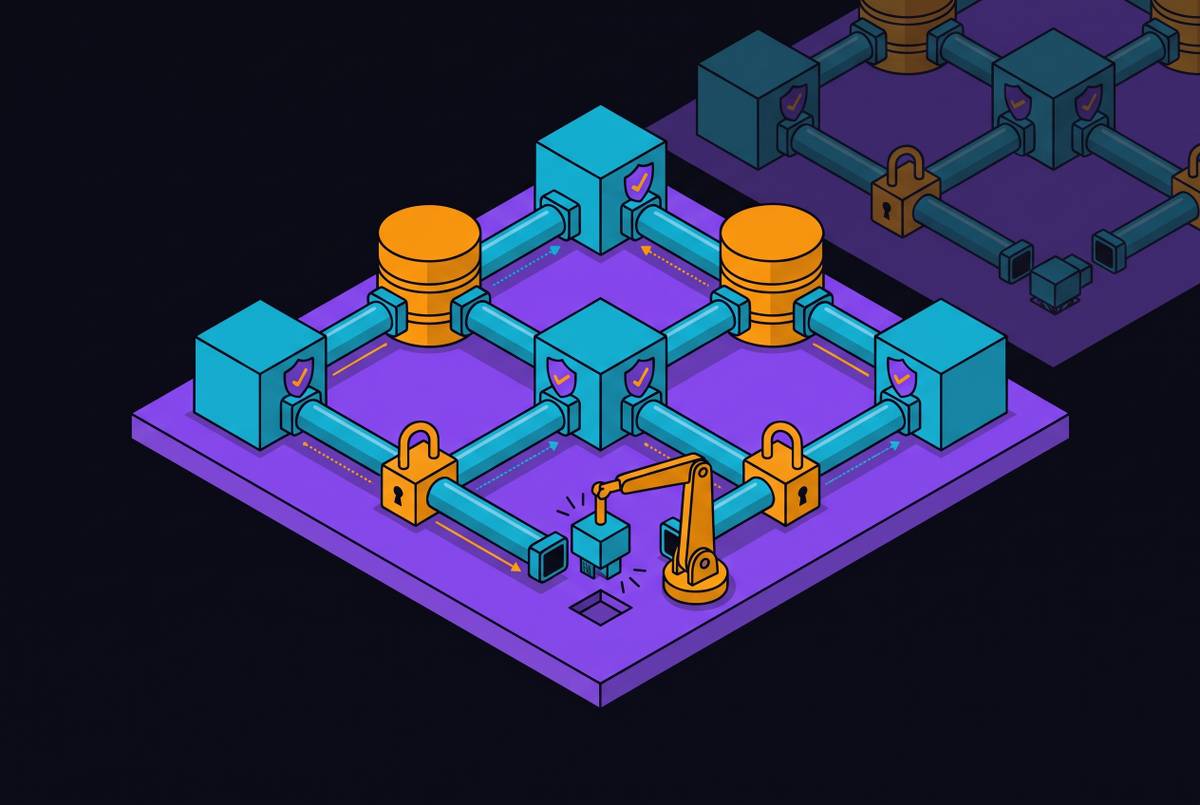
Permissions set the boundary of what each agent can do. Agents should only have access to the roles and data their task requires. Read access should be kept separate from permission to make changes. Approval steps then reflect the agreed risk levels. Low-risk actions get limited review. Medium-risk ones need manager sign-off. High-risk ones need senior approval plus full audit trails.
Platform structure determines where those controls live. Suite-based platforms, where all tools come from the same vendor, can be faster to set up when your data already lives within that suite. But that speed comes with potential lock-in and limits on customization. Vendor-neutral platforms focus on data ownership and the ability to move across models and systems. Neither type wins automatically. The useful question is whether governance comes built in or must be assembled by engineers. Another is whether context survives when underlying tools change.
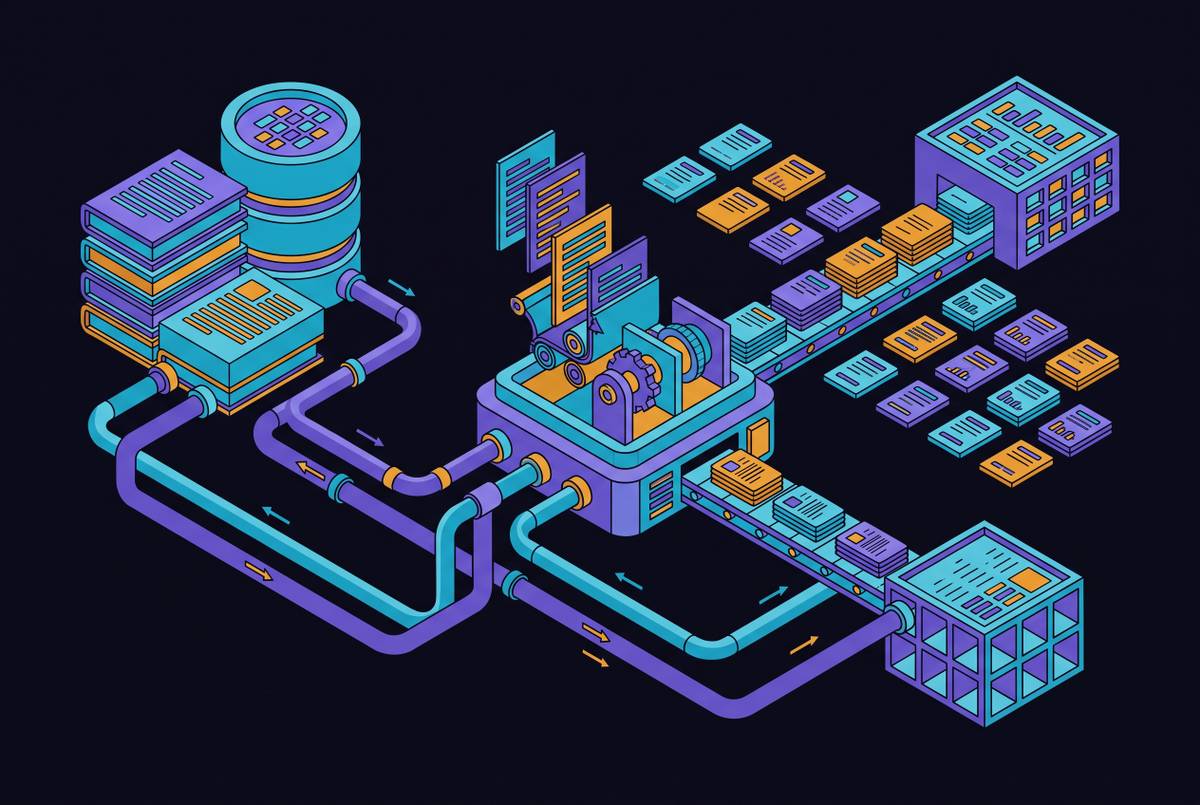
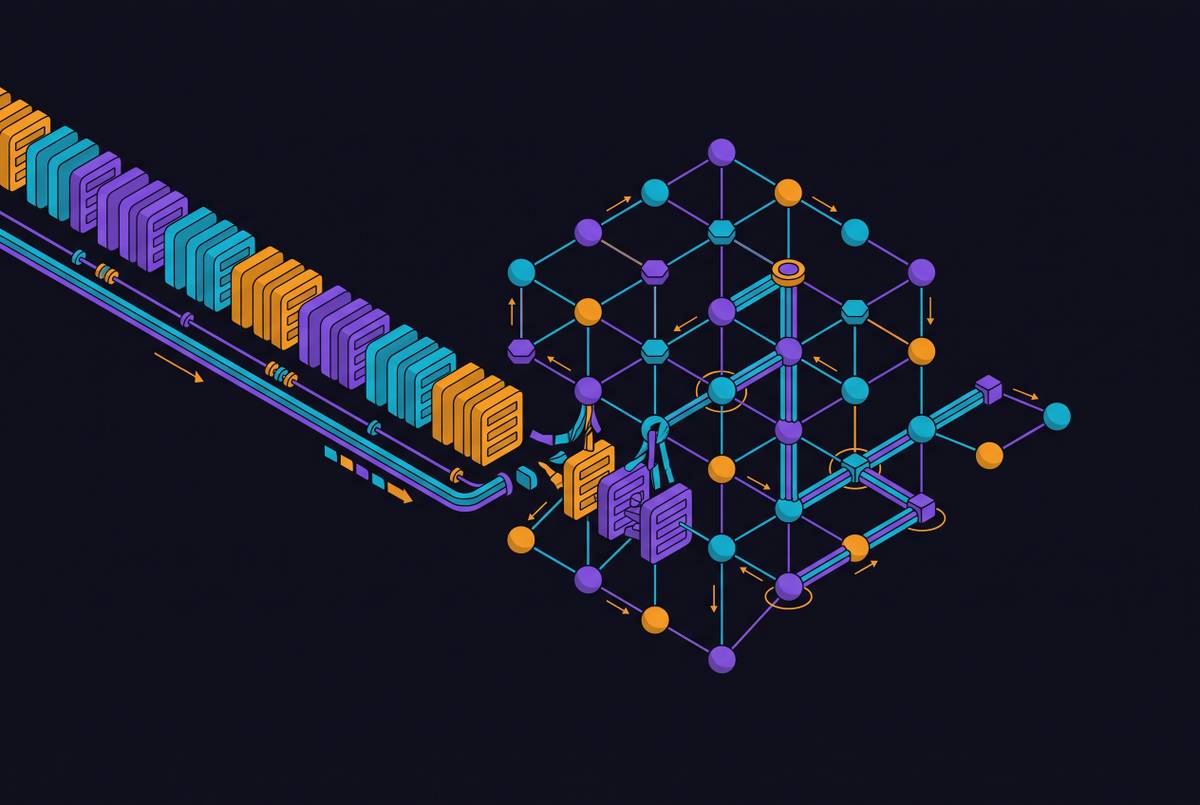
A context graph — a shared map of what records mean across different systems — connects information about the same person or workflow. This means each agent does not have to rebuild that meaning from scratch. When company context, business rules, and decision history are stored separately from the AI model running the workflow, replacing a model becomes practical. A new model can then be judged on output quality, speed, risk, and total cost without discarding the company knowledge that has been built up.
What testing must check throughout the life of the integration, not just at launch
Testing must show whether the workflow can still be trusted after it goes live. A successful launch is only the starting point. Connector checks must confirm that an integration built from documentation actually behaves correctly in your real environment. Output checks must catch made-up answers, unsafe content, and responses that contradict the information the agent was given.
Changes after launch need their own scrutiny. A model upgrade can change behavior even when the workflow setup has not changed. Performance drops and behavioral shifts need to be caught before they affect real decisions. Testing must also spot workflows that loop back into themselves, retry without limit, or use more resources than approved. Permission tests must check that agents cannot go beyond their scope and that read and write access stay separate.
Evidence quality is another thing testing must check. A decision record — a record connecting the evidence, recommendation, approvals, and action taken — must include the data used, the model version, the policy checks run, and the authorization to act. Missing or incomplete records are control failures. Without that record, you cannot show why an action was permitted, even if the outcome happened to be correct.
Catching a problem is only useful if you can act on it. Only a minority of organizations have a documented process to pause or remove an agent's access. That is a concrete gap. Depending on what went wrong, the response could be to block one tool for one agent. It could be to suspend the agent, withdraw its login credential, remove its AI model route, close the data-exit path, or stop the whole workflow class.
This operational record supports a gradual shift from humans approving every action to humans checking actions after the fact. You can start with reversible, low-stakes automation and expand scope as measured reliability warrants it. A platform that joins prompt design, testing, and evaluation reduces the friction that otherwise leads to manual spot-checks. But those tests only show business progress when the success measures, baseline, and measurement period were agreed before deployment.
Why weakness in any one of the three capabilities undermines the other two
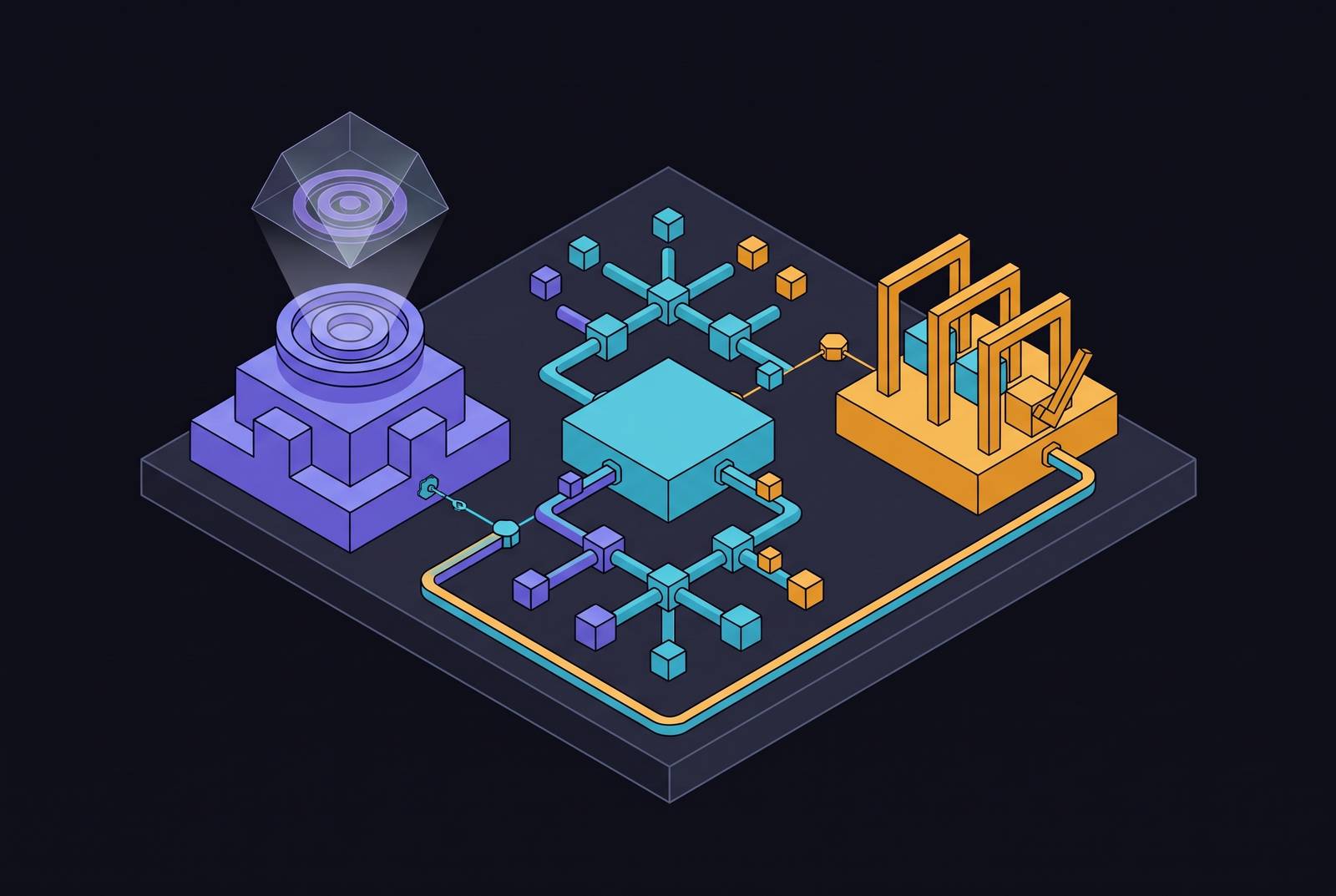
The three capabilities form a closed loop. If the goal is not clearly agreed, the workflow runs on an unstated assumption. Testing then has no agreed baseline to judge against. A workflow may complete every step correctly and still fail to prove its value.
Weak workflow control damages the other two differently. Agents forced to rebuild business rules from scratch introduce inconsistency. Inconsistent approval steps disconnect execution from the risks agreed at the start. Exceptions can go to nobody because no owner was named. If the platform cannot handle changing conditions mid-workflow, tests of a fixed path do not reflect the quality of the actual process.
Weak testing means the process has no track record to rely on. Changes in model behavior can go unnoticed. Decision records can disappear. Reviewers may be unable to tell which data and model version were behind a decision. You then have no basis for expanding what agents are allowed to do. A growing set of agents with little security coverage, unclear ownership, and no documented way to pause or remove them shows how far execution can outpace control.
New models and agents should inherit company context, decision history, and permitted actions. Replacing a model should trigger a check of quality, speed, risk, and total cost. The decision record joins evidence, recommendation, human reasoning, approval, action, and measured outcome. That connection gives buyers something more demanding to test than a demonstration of isolated features.
What to actually check when a platform claims to deliver all three
Check four things: where governance lives, who owns the context, how portable the platform is, and how complete the decision record is.
Governance location means asking who builds and maintains the controls. Separate the built-in approval steps, inventories, monitoring, audit logs, and pause-or-remove controls from components engineers must assemble themselves. Find out which controls business teams can set up without engineering help. Check whether your ability to contain a problem is graduated — meaning you can respond in proportion to the issue rather than just switching everything off.
Context ownership asks what you keep. Does a company-owned context graph connect meaning across your existing systems, or must each workflow rebuild it? Find out who owns the context graph, decision records, outcome history, and business rules when a model or agent changes. Portability also needs clear terms on deployment and data use. Check whether the platform can run in a private cloud, on your own servers, or in a bring-your-own-cloud setup. Find out whether the vendor may keep your inputs, outputs, or feedback to train their own models.
Recommendations should show the evidence and assumptions behind them. Results that failed or were inconclusive should stay available alongside those that succeeded. People need to be able to add corrections and explain exceptions. Changed conditions should be checked before earlier lessons are reused. Security claims need the same detail: SOC 2 Type II (an independent security audit standard), HIPAA alignment (US health data rules), and GDPR alignment (EU data protection rules) should each be checked for the specific way you plan to deploy. Access controls should respect the permissions already set in your source systems.
ServiceNow's AI Agent Orchestrator coordinates teams of agents. Its AI Control Tower acts as a central governance hub. Buyers need to weigh how well the full suite fits their situation. IBM's offering provides centralized coordination, guardrails, observability (meaning you can see what agents are doing), and support for both prebuilt and custom agents. UiPath combines traditional rule-based automation with AI agents, making it relevant where both types of step share a workflow. These strengths do not settle the questions of context ownership or portability on their own.
Other platforms focus on different parts of the work. Domo anchors agents in governed datasets and unstructured documents without requiring custom data pipelines. Its Agent Catalyst connects those sources through RAG, a technique that lets AI agents retrieve and use specific documents before answering. Microsoft AutoGen provides open-source multi-agent collaboration frameworks with Azure integration and Azure or self-hosted deployment. Vellum combines prompt design, testing, and evaluation with agent versioning, rollback, approval workflows, and audit trails for actions, prompts, and outputs. Each still needs testing against your full workflow.
A proof of concept should start with one workflow, one accountable owner, an agreed baseline, and a measurement period. Investigation and recommendations should begin with read-only access. You then add incremental permission to act as the quality of decision records and the value delivered are demonstrated. Compare results with the economic outcome agreed at the start. A structured decision summary produced within days of having complete data can shorten the path to evidence. It should cover findings, assumptions, evidence gaps, options, and the cost of acting versus not acting. The decisive proof is an auditable outcome.